


Table of Contents
- Why Figurative Art Is Gaining Ground in 2026
- Original Figurative Art vs. Prints: Where the Value Sits
- The Investment Case for Original Figurative Art
- The Value of Hand Embellished Prints as an Entry Point
- How to Display Original Art at Home
- Commissioning Custom Figurative Artwork: A Personal Investment
- Frequently Asked Questions
Last Updated: September 16, 2026
Why Figurative Art Is Gaining Ground in 2026
Is original figurative art worth the investment? For buyers who want both aesthetic pleasure and long-term value, the answer is increasingly yes. Figurative art, work that depicts the human figure, is drawing renewed attention from collectors and interior design enthusiasts alike. This guide from Annette Back Fine Art examines the financial realities, the risks, and the emotional returns. Below, we break down what actually determines value, where liquidity falls short, and how to buy well.
The shift is easy to explain. After years of abstraction dominating contemporary galleries, buyers are returning to work that tells a human story. A portrait, a mother and child, a quiet domestic moment: these subjects create emotional resonance that purely abstract work often cannot. That emotional pull matters because art is one of the few tangible assets you can also live with every day.
Original Figurative Art vs. Prints: Where the Value Sits
The value sits in the original. An original painting is a one-of-a-kind object, signed and dated by the artist, while a print is one of a numbered edition. That distinction drives almost everything about pricing, appreciation, and resale, but the details inside each category matter more than the labels suggest.
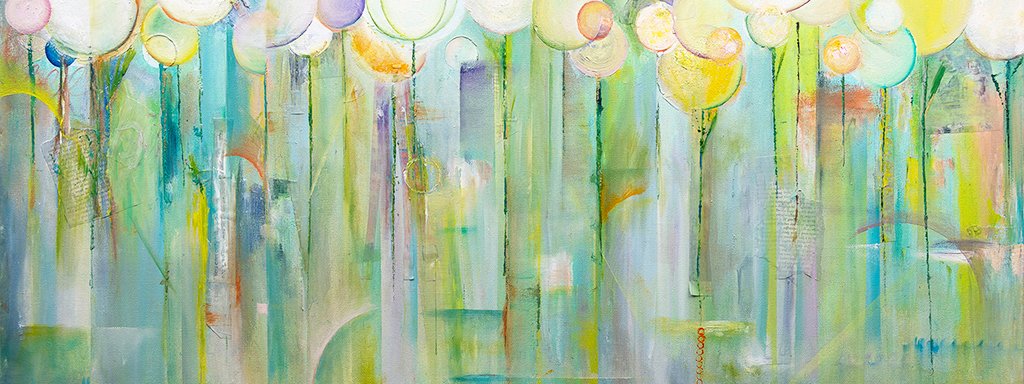
In Dreams by Annette Back - 40” wide x 16” high.
- Originals: unique, signed, and dated; no edition limit; strongest long-term appreciation potential
- Limited edition prints: numbered and signed; accessible entry point; value tied to edition size
- Open edition prints: unlimited reproduction; decorative value only
- Hand embellished prints: a print with original painted elements added by the artist, bridging the two categories
What Actually Separates a Giclee From a Reproduction
A giclee is a fine art print made with an inkjet process using pigment-based inks on archival paper or canvas. The term describes the printing method, not the edition. A giclee can be a limited edition of 25 or an open edition of thousands, the process alone does not confer value.
What confers value is the edition. A limited edition is capped at a stated number, and each print carries two numbers written as a fraction: the individual print's place in the run over the total run size, such as 4/50. Once the edition sells out, no more are printed from that plate or file. An open edition has no cap, so the supply can expand indefinitely, which is why open edition prints function as decoration rather than as collectible assets.
A common pattern among collectors is to check three things on any print before buying: the edition size, whether the print is signed and numbered in pencil by the artist, and whether a certificate of authenticity accompanies it. A print missing any of those is harder to resell later, regardless of how good it looks on the wall.
Where Hand Embellished Prints Fit
A hand embellished print starts as a print, then the artist adds original painted elements by hand, brushwork, texture, highlights, so no two finished pieces are identical. That hybrid nature changes the value conversation. The underlying image is reproducible, but the handwork is not, which means each embellished piece sits closer to an original than a standard edition print does.
For buyers weighing originals against prints, the honest answer is that originals carry the greater investment case, but prints let you start collecting sooner. Many buyers begin with a print and graduate to an original once they understand their own taste. The key is knowing which category you are actually buying into, and pricing your expectations to match.
The Investment Case for Original Figurative Art
The investment case rests on scarcity, provenance, and sustained demand. A single original cannot be reproduced, so supply is fixed. What changes is demand, and demand follows the artist's career, exhibition history, and collector base.
What Drives Long-Term Appreciation
Appreciation comes from a combination of factors that rarely move in isolation:
- Career trajectory: gallery representation, museum shows, and art fair exhibitions build a documented track record
- Provenance: a clear ownership history and authentication paperwork protect value at resale
- Consistent body of work: collectors pay more for artists with a recognizable, coherent style
- Critical recognition: reviews, awards, and curatorial attention raise an artist's profile
- Scarcity: a finite number of available works supports pricing over time
An artist's exhibition history functions as a form of market validation. Annette Back Fine Art has exhibited at ArtExpo in New York, the kind of fair presence that gives buyers a verifiable reference point when assessing an emerging or mid-career artist.
Risks, Liquidity, and Market Volatility
Art is an illiquid asset, and buyers should treat it that way. Selling takes time, transaction costs are real, and the secondary market rewards established names far more than newcomers. Market volatility affects art too, though usually less sharply than equities.
Factor |
Originals |
Limited Edition Prints |
Open Edition Prints |
|---|---|---|---|
Scarcity |
Highest |
Moderate |
Lowest |
Liquidity |
Slow |
Moderate |
Fast but low value |
Appreciation potential |
Strongest |
Limited |
Minimal |
Entry cost |
Highest |
Moderate |
Lowest |
Emotional value |
High |
High |
Decorative |
A sensible approach treats art as part of a diversified portfolio of tangible assets, not as a substitute for one. Passion first, profit second. Buyers who ignore that order tend to regret it.
The Value of Hand Embellished Prints as an Entry Point
Hand embellished prints offer a middle path between affordability and originality. Each piece begins as a print, then the artist adds original painted elements by hand, so no two are identical. You get the texture and presence of an original at a fraction of the cost, which makes this format an appealing first step for new collectors.
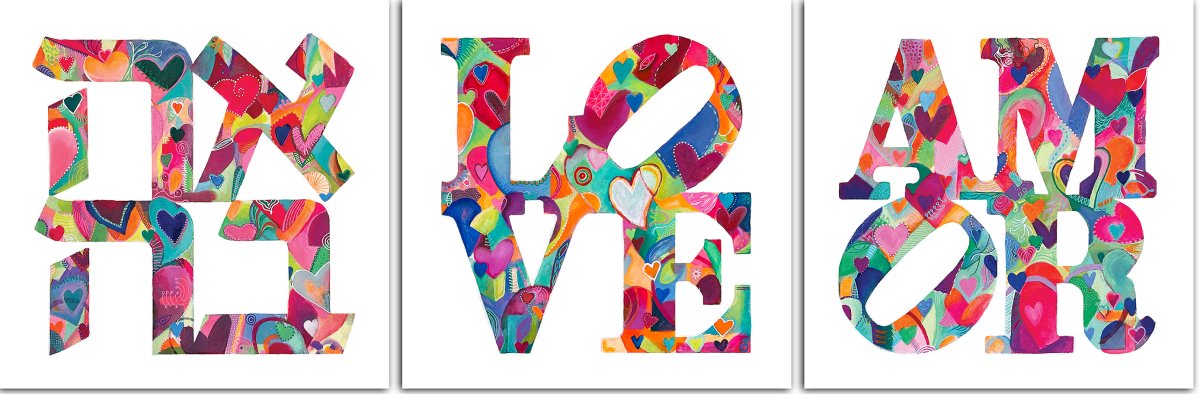
Love Is In The Air, by Annette Back - 16” × 16”, available by emailing info@annettebackfineart.com
The value of hand embellished prints comes from that hybrid nature. They are more than reproductions, but they are not unique originals, and pricing should reflect that honestly. For buyers testing whether figurative work suits their home, they remove much of the risk.
How to Display Original Art at Home
Hanging original art well is about light, scale, and restraint. Get those three right and almost any piece looks intentional.
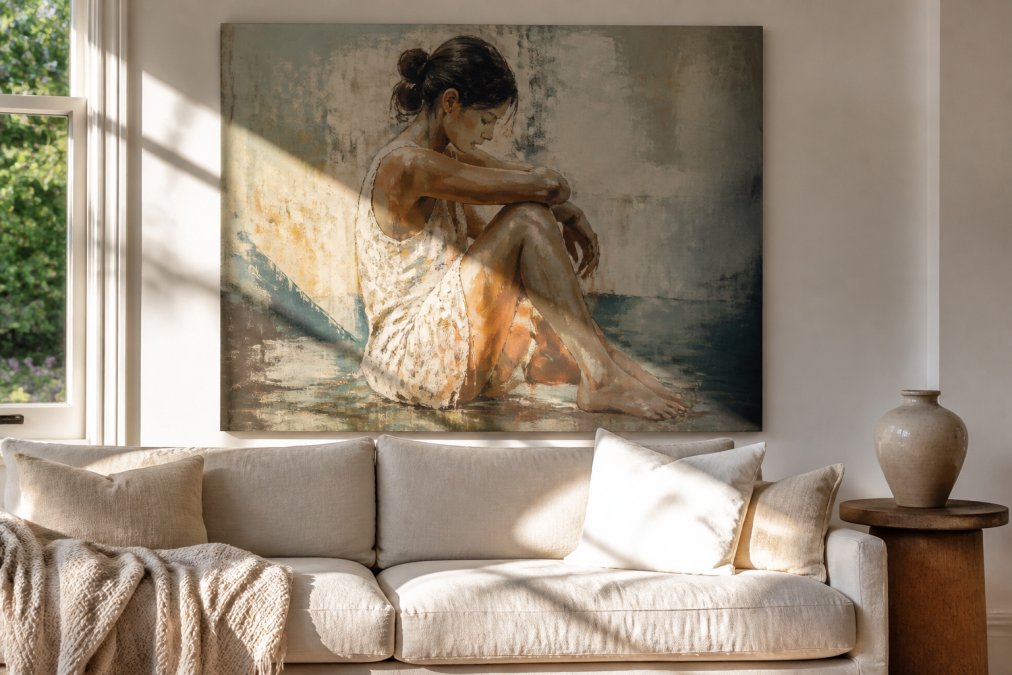
Start with placement. Hang the center of the artwork at eye level, roughly 57 to 60 inches from the floor. Above a sofa, leave 6 to 10 inches of wall between the frame and the furniture. Avoid direct sunlight, which fades pigments over years, and avoid placing work near heat sources.
Scale matters more than most people expect. A small piece on a large blank wall looks lost; a large canvas in a cramped hallway feels oppressive. When in doubt, go slightly larger than you think you need.
For a cohesive look, group works by mood rather than by matching frames. A figurative piece with warm tones can sit comfortably beside a cooler abstract if the emotional register is similar.
Commissioning Custom Figurative Artwork: A Personal Investment
Commissioning custom figurative artwork turns a purchase into a collaboration. You describe the subject and the feeling you want, and the artist creates a piece made specifically for you. The result is an original that carries personal meaning no gallery purchase can match.
The process is usually straightforward.
Frequently Asked Questions
What factors determine the long-term value of figurative art?
Long-term value in figurative art depends on the artist's exhibition history, gallery representation, and consistency of output. Provenance and documentation matter as much as the work itself. Pieces shown at events like ArtExpo in New York carry more weight than those without exhibition records. Market demand for the artist's specific style, whether painterly or conceptual, also shapes resale potential over a 10 to 20 year holding period.
How do original figurative paintings differ from limited edition prints in terms of value?
An original painting is a one-of-a-kind work signed and dated by the artist, which gives it a different resale profile than a print. Limited edition prints and hand embellished prints are produced in controlled quantities, so they offer a lower entry price. Originals like those in Annette Back's collection, such as Hold Me at 24x36 inches, carry the artist's direct hand and typically hold value better because no identical version exists.
What should new collectors look for when buying original figurative paintings?
Start with authentication: confirm the work is signed, dated, and comes with documentation from the artist. Ask about the medium (oil on canvas holds differently than acrylic), the canvas dimensions, and whether the piece was exhibited. Buy what you genuinely want to live with, since art is an illiquid asset that may take years to resell. Passion-first buying protects you if the market softens.
How do hand-embellished prints compare to original works for new investors?
Hand embellished prints let you own a piece with the artist's direct touch at a lower cost than a full original. They suit buyers who want the aesthetic value of a figurative work without committing to a five-figure purchase. For portfolio allocation, prints serve as an accessible entry point, while originals offer stronger long-term appreciation potential. Many collectors start with prints and add originals as their confidence grows.
Buying art well means balancing passion with clear eyes about liquidity, provenance, and cost. If you want figurative work that carries genuine emotional weight and a documented exhibition record, Annette Back Fine Art offers original paintings, limited edition prints, and commissioned pieces, with virtual live viewings, professional framing arranged by the artist, and secure shipping. Get started with Annette Back Fine Art and find a piece that earns its place on your wall.


0 comments